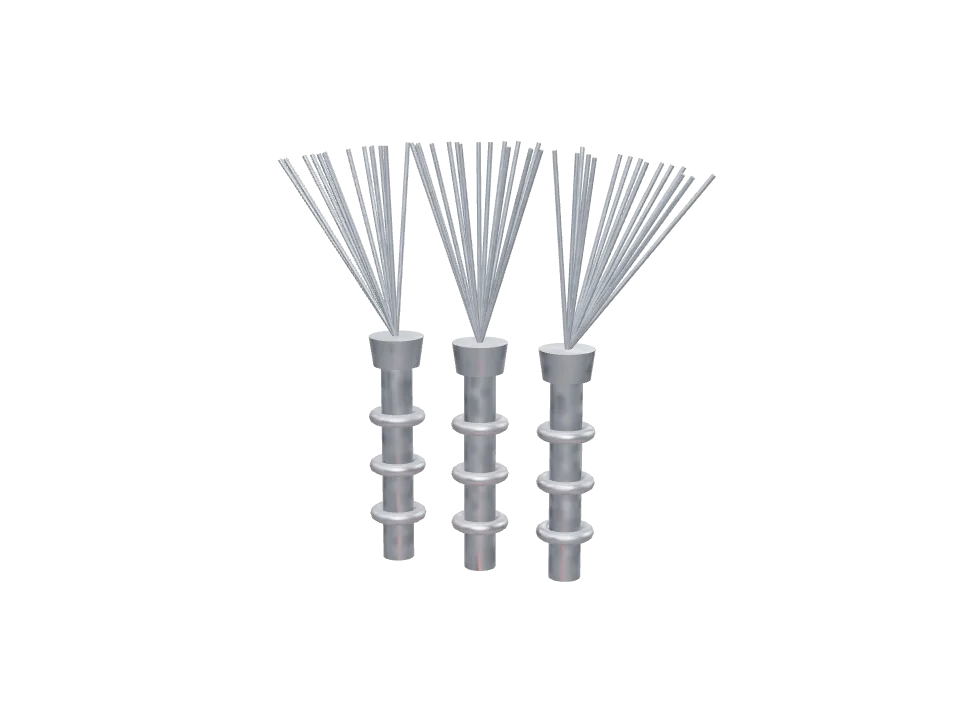
One record under every campaign
A Southeast Asian brewer with up to ten beer, stout and cider brands sold through bars, shops and online.
/work/multi-brand-crmCame in under strain
- System
- Customer data and campaigns for up to ten drinks brands
- Ask
- Campaigns, one brand and one brief at a time
- Region
- Southeast Asia
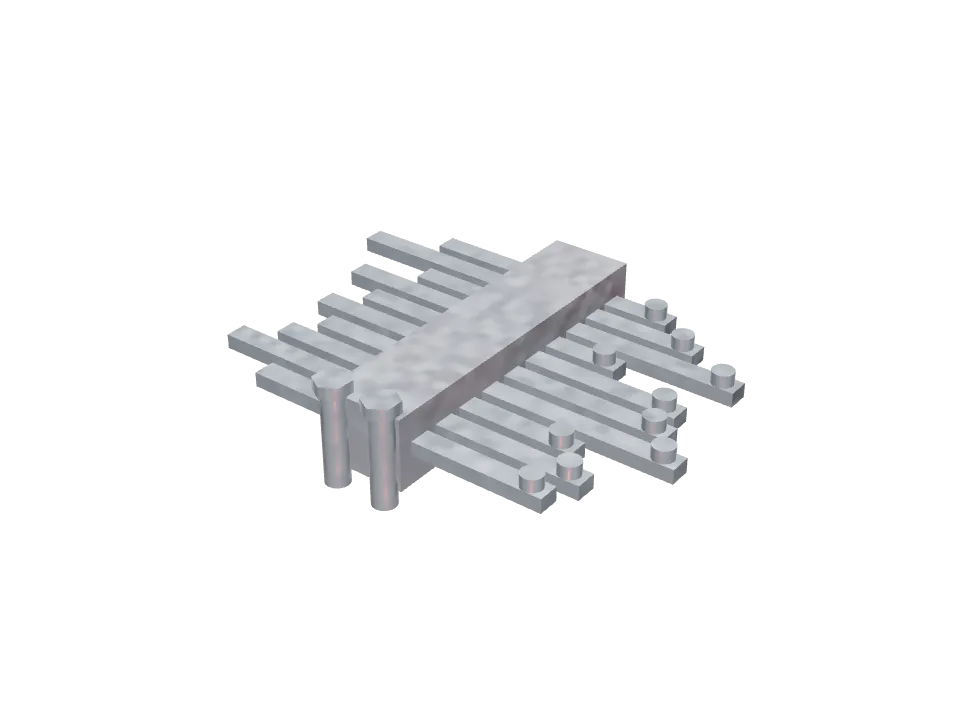
The piece Ten bars, one per brand, clamped through one forged collar: ten brands on one record.
- 10brandson one record from August 2017
- 4982profilesfrom the first big campaign
- 9modulesin the kit for other markets
- 90%of orders back within 24 hours
The ask
Campaigns, one brief at a time: an offers portal for bars first, then a microsite, e-voucher, gifting or online orders per brand.
The real problem
Every brand, event and website signed people up its own way, through six sign-up forms feeding six separate lists.
A drinker could come to the brewer's events for years and drink three of its brands without it ever holding her name.
Six lists, then one record
- Idle
- Live
- Strain
- Fail
BeforeBrand sites, events, bars and campaigns each kept their own list, so every campaign started from zero.
AfterEvery way in passes through de-duplication into one record, and the module kit, dashboards and redemption all work from it.
What we built
A multi-brand CRM: one data warehouse for up to ten brands, with a campaign engine and dashboards for each brand and the company. Each brand's existing data came across with de-duplication, so one drinker became one profile.
We built each mechanic the brands kept asking for once, as a module, so a campaign became a set of modules in a brand's colours writing to the record.
How we made it hold
De-duplication ran at the door. Every source from the first retailer portal in 2016 onward came in through the same import rules, so each drinker stayed one profile.
Backstage The decisions behind the build, and the hardest problem
Decisions
De-duplicate on the way in.
Old lists and new sign-ups merged as they arrived, so one drinker stayed one profile.
Build each mechanic once, as a module.
A new campaign became a set of modules in a brand's colours, and its data landed in the same place.
Redemption on the drinker's phone.
Bar staff confirm a voucher with a PIN.
Ruled out
A microsite and a sign-up form for every brief.
It would have added another list and started the next campaign from zero again.
The hardest problem
Keeping one profile per drinker as the ways in multiplied: ten brands, their websites, events, bars and partners, each with its own form. Every source went through the same import and de-duplication rules.
The difference
- Up to ten brands on one de-duplicated record, with the data they already held migrated across.
- Of 4,982 unique profiles from the first big campaign, 2,498 opted in.
- One SMS to 292 known customers brought orders back, 90% of them within 24 hours.