A brand site its owners could run
A Singapore insurer's new online-only brand, whose site explains and sells the cover while quotation, payment and claims stay with the parent.
/work/insurer-launchCame in new build
- System
- Brand website, admin portal and page builder
- Ask
- A self-run site handing every product to the parent's quotes
- Stack
- WordPress, released through the client's own staging
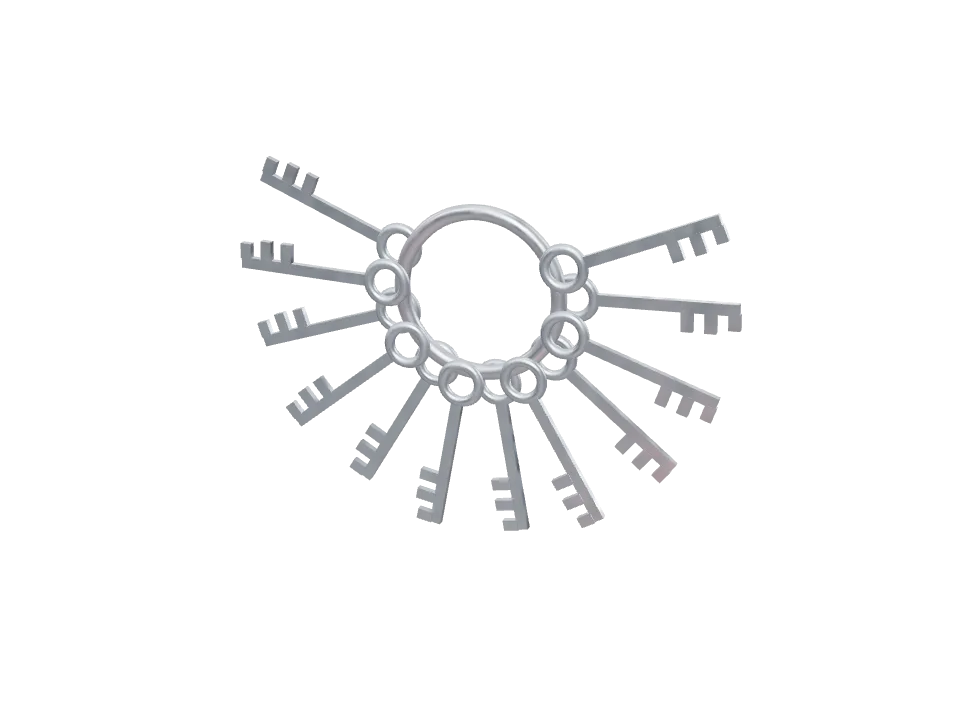
The piece Twelve identical keys on one ring: twelve products cut from one template, handed over to the people who run them.
- 12productson one template by November 2019
- 66patcheslogged in 2019
- 56patchesreleased to the live site
- 21page typesrun by builder, template or CMS
The ask
A site the client's own team could keep current, with every product handing people to the parent's quotation and payment.
The real problem
The brand could not take payment, so each product page had to hand people to a system we did not run.
A small client team also had to change pages without asking us and every release passed through the client's own IT.
A front door, run by its owners
- Idle
- Live
- Strain
- Fail
BeforeOnline products sat on the parent's site beside its other channels.
AfterA brand site on one template hands every product to the parent's quotation, and its owners build pages themselves.
What we built
The brand's site on WordPress, with an admin portal. A needs selector driven by product tags opens it and every product sits on one template with one Get a quote link to the parent.
New cover such as cyber insurance in August 2018 went in without a redesign. In 2019 we added a page builder, so product owners build and change pages from blocks.
How we made it hold
We tested every change on our staging and sent it as a patch to the client's IT. It went live only once every stakeholder had approved.
Backstage The decisions behind the build, and the hardest problem
Decisions
Leave the purchase engine where it worked.
The parent's site kept quotation and payment, so every product hands over through one Get a quote link.
One template for every product.
New cover, starting with cyber insurance in August 2018, went in without a redesign.
A page builder for the product owners.
A growing range needed pages built and changed without a patch from us.
Ruled out
The life-stage planning tool in the brief.
Its logic was still for the client to define, so a needs selector driven by product tags took its place.
The hardest problem
Releasing into a site we did not host, through the client's own IT. One path and one change log kept every patch traceable from our staging to live.
The difference
- Live in August 2018 with a few products, carrying twelve by November 2019 on one template.
- A page builder live from July 2019, so product owners create and edit pages themselves.
- Handed over in November 2019 with a handover document and a 47-slide guide.